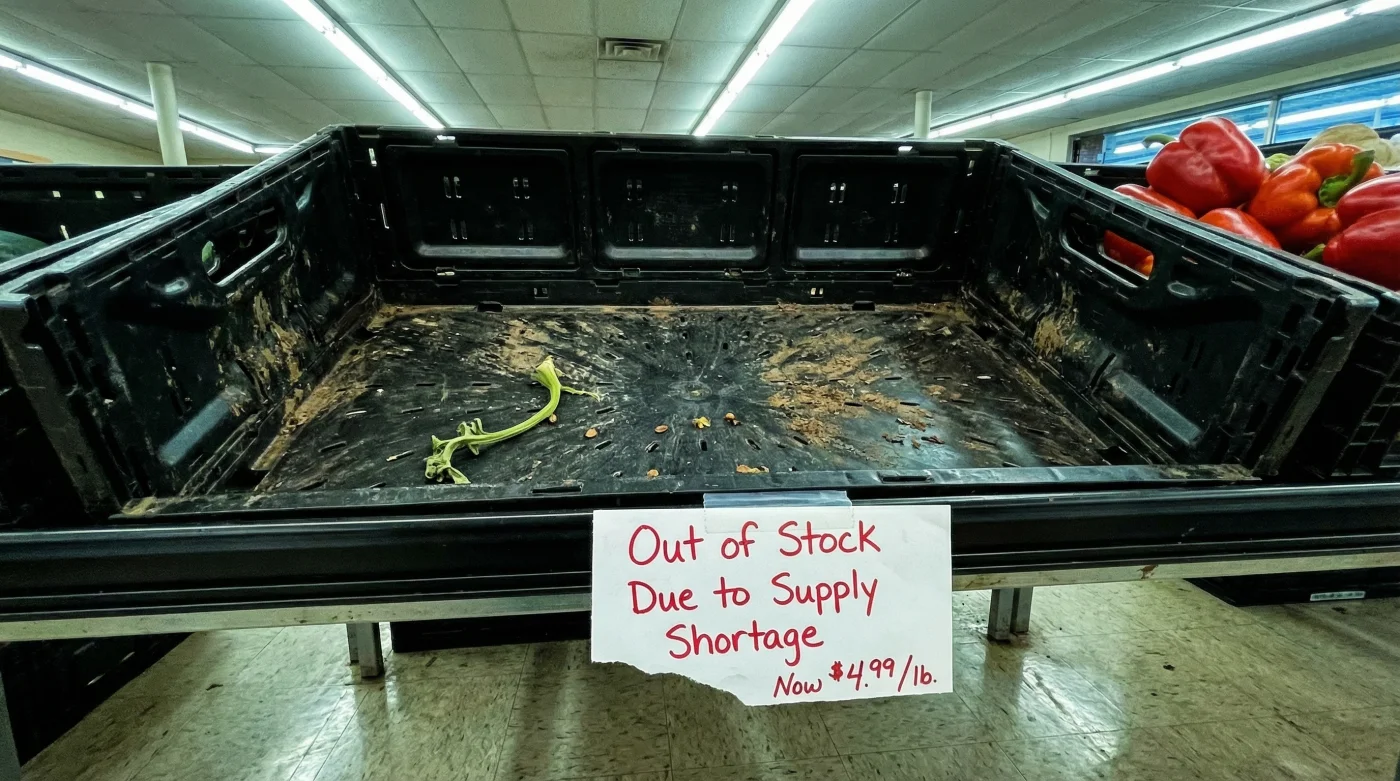
You push your cart into the bright, misty enclave of the produce section, acting on pure muscle memory. Your hand reaches out toward the familiar bin nestled between the cilantro and the tomatillos, expecting the cool, firm resistance of fresh jalapeño peppers. Instead, your fingers graze cold, empty metal. A solitary, bruised pepper sits in the corner, a ghost of the vibrant green mountain that usually defines this aisle. The sharp, earthy scent of capsaicin still faintly lingers in the air, but the reality sets in: your Tuesday night salsa just became a scavenger hunt.
The Soil’s Quiet Surrender
For decades, the jalapeño has been the unassuming backbone of American kitchens. It was never a luxury item you had to budget for. At under two dollars a pound, it was an afterthought—tossed into the basket by the handful without a second glance. But the sudden absence of this pantry workhorse reveals a much larger friction echoing across our agricultural landscape. We are witnessing a historic shift where a cheap, ubiquitous produce aisle staple morphs overnight into a guarded luxury item.
This empty bin is the symptom of the soil’s quiet surrender. Extreme, relentless droughts across Mexico’s primary growing regions have baked the earth to dust. The jalapeño is suddenly enduring a forced gentrification, transitioning from a cheap commodity to a scarcity. Wholesale prices have doubled, sometimes tripled, leaving grocery store buyers hesitant to stock them and leaving your local taqueria desperate for alternatives.
I recently spoke with Marco, a veteran produce wholesaler operating out of a bustling Texas distribution hub. He rubbed his temples as he described the shipments—or lack thereof—crossing the border. “A pepper plant is resilient,” Marco explained, “but it breathes through the moisture in the soil. When the ground temperatures stay locked above ninety degrees for weeks on end, the plant goes into survival mode. It drops its blossoms just to save its own life, which means no fruit.” Marco noted that this extreme heat cycle has decimated recent yields, turning what used to be a predictable, flowing river of produce into a sporadic, wildly expensive trickle.
| Reader Profile | The Immediate Impact | Your Strategic Pivot |
|---|---|---|
| The Weeknight Cook | Sticker shock and empty bins for casual family dinners. | Transition to jarred pickled jalapeños for acidity and heat in braises and stews. |
| The Meal Prepper | Fresh salsa and marinade recipes lack their foundational bite. | Blend dried chiles (like morita or guajillo) into your sauces instead. |
| The Canning Enthusiast | Bulk buying is currently financially unviable or restricted. | Delay large-batch hot sauce projects until the late fall harvest stabilizes. |
| Climate Metric | Agricultural Reality | Market Consequence |
|---|---|---|
| Soil temp exceeding 90°F | Root systems fail to absorb vital calcium from the earth. | Increased rate of blossom end rot; fewer viable peppers survive. |
| Prolonged drought periods | Plants enter defensive shedding, dropping young, unripened fruit. | Severe yield drops leading to immediate retail shortages across the US. |
| Extreme UV exposure | Sunscald bleaches and blisters the outer skin of the pepper. | Rejection by grocery chains, pushing up the price of premium quality stock. |
Adapting Your Culinary Muscle Memory
When the ingredients you trust disappear, your cooking instincts must adapt. You do not have to abandon your favorite recipes; you just need to lean on a new set of tools. First, consider the serrano pepper. It looks like the jalapeño’s slender cousin, though it packs a sharper, more immediate heat. If you substitute with serranos, remove the seeds and membranes meticulously to mimic the milder warmth you are used to.
When you slice a serrano, treat it with the respect it demands. The oils are potent. Wash your hands immediately with dish soap to break down the volatile capsaicin, preventing an accidental, painful rub of the eye later in the evening.
- Brown butter requires a scoop of milk powder for maximum toasted flavor.
- Cream cheese combined with condensed milk creates instant professional bakery frosting.
- Fresh jalapeño peppers face severe nationwide shortages following extreme Mexican droughts.
- Chocolate chip cookies develop professional bakery crinkles from aggressive pan dropping.
- Leftover bacon grease creates the ultimate savory stovetop movie theater popcorn.
Do not ignore the pantry aisle, either. Canned, diced green chiles—often Anaheims or Hatch varieties—carry a wonderful, mild tang. They lack the fresh crunch, but they melt seamlessly into chili, queso, or cornbread batter. You are simply trading texture for guaranteed, consistent flavor while the fresh market recovers.
| When You Find Them | What to Look For (Quality) | What to Avoid (Defects) |
|---|---|---|
| Visual Inspection | Vibrant, uniform green color; white stretch marks indicate mature heat. | Dull, matte skin or pale yellow patches indicating severe sun damage. |
| Physical Touch | Firm, taut skin that snaps slightly when bent. Heavy for its size. | Wrinkled texture near the stem; feels hollow or noticeably soft when squeezed. |
| Stem Health | A crisp, green stem tightly attached to the fruit body. | Brown, dried-out stems, which signal an old, heavily dehydrated pepper. |
The Fragile Rhythm of the Aisle
It is easy to walk through the modern grocery store and believe we are immune to the weather. The fluorescent lights stay on, the temperature remains a crisp sixty-eight degrees, and the shelves are usually full. But the sudden absence of the jalapeño pepper breaks that illusion. It reminds you that every single meal you prepare is tied to a living, breathing ecosystem hundreds or thousands of miles away.
When a humble ingredient suddenly demands a premium, it alters the rhythm of your weeknight dinner. Yet, this friction also invites resilience. It asks you to step out of your routine, to learn the nuance of a serrano, or the charred comfort of a poblano. Cooking is never a static act; it is an ongoing conversation with what the earth is willing to provide. The jalapeño will eventually return to its rightful place next to the cilantro. Until then, you adapt, you taste, and you keep moving forward.
“A kitchen thrives not on what is always available, but on how gracefully the cook adapts to what the harvest offers.” — Marco V., Agricultural Produce Wholesaler
Frequently Asked Questions
Why are jalapeño prices so high right now? Extreme heat and prolonged droughts in Mexico have devastated crop yields. Fewer peppers surviving the heat means less supply crossing the border, driving wholesale and retail prices up significantly.
What is the closest fresh substitute for a jalapeño? The serrano pepper is your best fresh alternative. It has a similar grassy flavor profile but is notably hotter, so use roughly half the amount you normally would in your recipe.
Will the shortage last all year? Agricultural experts anticipate relief in the late fall when the weather cools and secondary growing regions in the US and Mexico yield their harvests.
Can I use pickled jalapeños in fresh salsa? Pickled jalapeños add too much vinegar for a traditional fresh pico de gallo, but they work beautifully blended into smooth, restaurant-style salsas or cooked into warm stews.
Are bell peppers a good replacement? Bell peppers lack the heat and specific savory notes of a jalapeño. If you want mild flavor without heat, a roasted poblano or a canned Anaheim chile is a much better culinary match.